
Fence Panel Installation Advice & Requirements
Get the Best Performance from Your Pillar to Post Fence Panels
Correct Installation Matters
When Stuart makes your fence panels, he puts decades of craftsmanship into ensuring they’re straight, strong and built to last.
But even the best handmade panels need proper installation to perform well through wind, rain, frost and years of use.
This guide explains what needs to be done before your panels are dropped in, along with best-practice methods for achieving a long-lasting, secure and well-aligned fence.

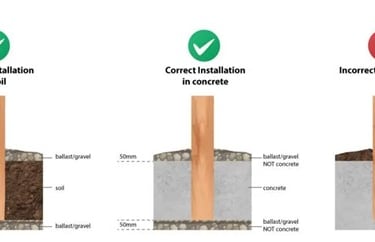
Step by Step Installation Guide
Why Proper Installation Matters
Stuart guarantees the quality of his panels — but their performance depends on the preparation beneath and around them.
Good installation prevents:
Bowing or movement
Water damage
Wind stress
Leaning or sinking
Premature wear
Following the advice below ensures your fence looks good and stands proud for many years.
1 Prepare the Ground Properly
Before installation:
✔️ Check the Ground Is Level
If the ground slopes, your installer should step the posts or panels to keep everything straight and secure.
✔️ Remove Obstacles
Clear away plants, old posts, rubble, roots or debris.
✔️ Mark the Boundary Line
Use string lines or markers to ensure the fence runs straight and matches the agreed boundary.
(Important for avoiding neighbour disputes!)
2 Install Strong, Correctly Set Posts
Fence panels are only as strong as the posts holding them.
✔️ Use 4" x 4" (100mm x 100mm) Posts
Thinner posts can flex, twist or break under weight and wind.
✔️ Dig Post Holes at Least 600mm Deep
Deeper if the ground is soft, sandy or exposed.
✔️ Set Posts in Concrete
This gives the strength needed for long-term stability.
A standard 8' post typically requires one full postcrete bag per hole.
✔️ Allow Concrete to Cure Properly
Posts should set fully before panels are fitted — normally 24 hours.
3 Use Gravel Boards for Extra Protection
Gravel boards help keep panels dry and extend lifespan.
✔️ Timber or Concrete Gravel Boards Both Work
Concrete provides the longest life and the most stability.
✔️ Keep Panels Off the Ground
This prevents moisture wicking, rot and damage from soil.
✔️ Level the Gravel Boards First
This ensures your panels sit straight from the start.


4 Choose the Right Fixings
Strong fixings prevent movement over time.
✔️ Use Exterior-Grade Screws or Galvanised Nails
These won’t rust and weaken the structure.
✔️ Panels Should Be Secured at Multiple Points
Top and bottom fixings ensure extra stability.

5 Consider Wind Exposure
Norfolk coastal winds can be challenging.
✔️ Use Heavier Posts in Exposed Areas
5" posts may be advisable on clifftops or open farmland.
✔️ Reduce Panel Height If Necessary
Lower panels = less wind resistance.
✔️ Add Post Caps or Weathering
Helps shed water and prevent splitting.


6 Allow for Property Lines, Boundaries & Neighbours
A good installation respects everyone’s space.
✔️ Confirm Boundary Ownership Before Installing
It’s usually clear from deeds, but neighbours can advise.
✔️ Discuss Panel Style if Needed
Good fences make good neighbours — especially when agreed on!
✔️ Avoid Encroaching
Fences should sit within your boundary, not over it.
7 After Installation — Quick Care Tips
Once installed:
Keep plants from growing directly into the panels
Clean off heavy debris or moss annually
Re-treat timber every 1–2 years for best longevity
These simple steps help Stuart’s hard work last even longer.


Professional Recommendation
While many homeowners choose to install their own fencing, Stuart always recommends using:
a professional landscaper or fencing contractor — especially for long runs, sloping ground or exposed locations.
A skilled installer ensures:
Posts are perfectly level
Panels sit straight
The fence line is secure
Long-term stability is guaranteed
Leave a Google Review
If you've purchased fence panels, a planter or wildlife box from Stuart, we'd really appreciate it if you could leave a Google review for him, helping to keep him the big happy Yorkshireman!
Just click the link or scan the QR code, and away you go! https://g.page/r/CfCu05FZAQJNEBM/review


All stains, paints, oils, wood preservation supplied by,R. K. & J. Jones Ltd, trading name Bird Brand
get in touch
© 2026. All rights reserved.
Stuart Keith t/a Pillar To Post, 11A Syderstone Business Park, King's Lynn, PE31 8SE
Got a question? Send me a message...